What to expect from self-driving taxis in 2026
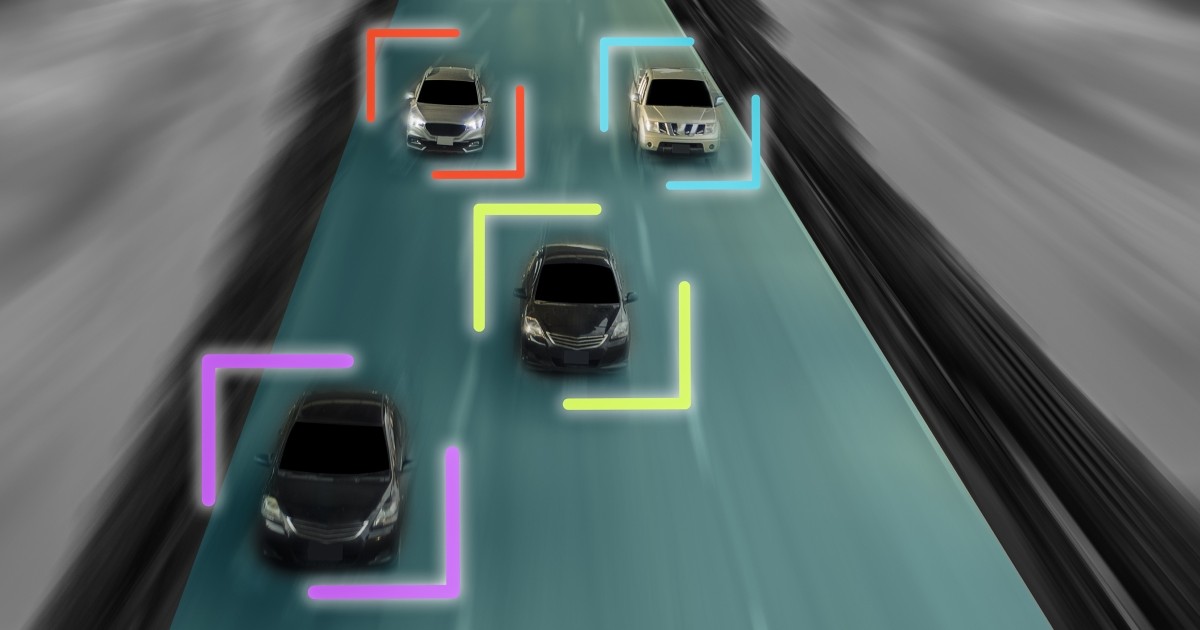
2026 will see the launch of several competing self-driving taxi fleets. Here’s a rundown of what to expect, the brands involved, and how the public might react.
What to expect from self-driving taxis in 2026: Part 1 – Timescales
2026 is set to be the year self-driving taxis become available to the UK public for the first time, with several companies inching closer to launch.
For now, the main barrier is government approval. The crucial first step was the Automated Vehicles (AV) Act 2024. This is a key bit of legislation which specifies that drivers are not responsible for how their vehicle drives, whilst in full AV mode, removing the need for there to be a driver.
The Department for Transport is currently consulting on future legislation that will permit fully autonomous vehicles to operate. The consultation closes on March 5th, and best guess at the moment indicate (possibly optimistically) that this regulatory hurdle will be cleared, with self-driving taxis on the road in Spring this year.
What to expect from self-driving taxis in 2026: Part 2 – Brands
Waymo – Owned by Alphabet (Google’s parent company), Waymo are already privately testing on the streets of London. They’ve launched to the public in limited cities in North America already, and claim to have driven over 100 million miles on public roads. Waymo have clearly stated their intention of brining fully self-driving taxis to paying customers in London this year.
Lyft – Recently purchased the FreeNow taxi-hailing app and are planning to launch UK trials this year. They will use Baidu’s technology, which currently operates in 22 cities in Asia. It’s unclear right now if the trials will involve human supervisors, or be available to the public.
Uber – Also planning to work with Baidu, having previously announced they will partner with Wayve. Uber expect to start testing in the UK in the first half of this year, though it’s still unclear which of these two partnerships this relates to. Again, we don’t yet know whether their testing will involve operating autonomously, or under the watchful eye of human supervisors.
Wayve – A British company that has announced plans to develop Level 4 autonomy (fully autonomous, with no need for a driver) at some point in 2026. To date they have been less specific about the times and details of their plans.
What to expect from self-driving taxis in 2026: Part 3 – Public reaction
It’s fair to say that there’s a clear level of caution shown towards self-driving taxis. Data we collected last year showed that only 28% of UK consumers would be willing to jump in a self-driving right away. As with the rollout of satnavs, we can expect the media to focus extensively on the rare failures rather than the less newsworthy, but significantly more numerous, successes.
Aside from perceived risk, the biggest barrier at the moment is likely that there is little benefit over a human operated taxi. Data collected by Ipsos show that only 6% would choose a self-driving taxi over a human driver if price and convenience were equal. In the long run, the companies investing incredible sums in the development of self-driving taxis hope that removing the cost of drivers will allow them to undercut existing taxis, but that remains a long way off. At present, the cost of self-driving taxis is roughly 9 times that of human-operated taxis.
McKinsey estimate it will take until 2035 to bring the cost of running self-driving taxis down to ‘only’ 2x the cost of a human-driven alternative. So, whilst the sight of a self-driving taxi on the road will become increasingly common, they will have to operate at a considerable loss, or rely on unexpected technological breakthroughs, to extensively supplant human drivers in the short term.
We’ll be keeping a close eye on this rollout and tracking consumer sentiment as the public find out what it’s like to be driven without a driver!
